
As something usually heard in science-fiction movies. The National Aeronautics and Space Administration (NASA) might have opened the possibility of having quantum tools in space.
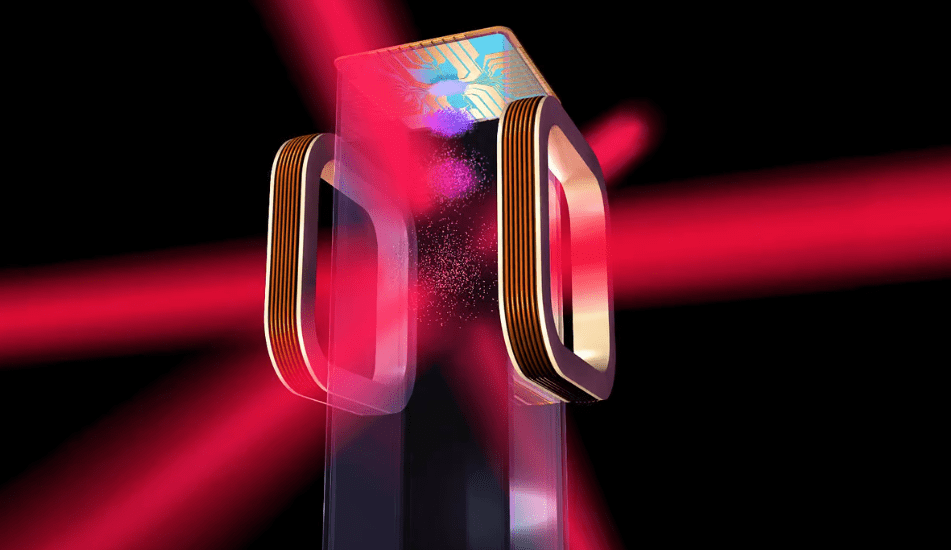
The Cold Atom Laboratory at NASA on the International Space Station (ISS) is used to freeze atoms to around -400 degrees Fahrenheit, which sets the atoms in the fifth state of matter, Bose-Einstein Condensate (BEC). This allows the astronauts to see the quantum properties of the atoms at a microscopic level. According to the Jet Propulsion Laboratory’s website, the “…Cold Atom Lab is to utilize the microgravity environment to open up new avenues of fundamental research into the nature of atoms and quantum science.”
This is not the first time the word quantum has been used in science, since quantum mechanics are used in everyday life. From microchips in cell phones as well as in x-ray machines, quantum mechanics is also used in the astronomy field. According to NASA’s website, quantum tools could enhance the studies of Earth and other planets, while deepening our knowledge of the fundamental laws of nature.
Humankind has been able to use quantum mechanics as well as quantum physics. However, the discovery made by astronauts on the ISS could have opened up the possibilities of working with quantum chemistry, which applies the equations of quantum mechanics to tiny molecules. The scenarios currently being tested show the atoms’ quantum nature dominates their behavior. The atoms inside the molecules could remain together or grow apart, having them seem “fluffy”. However to achieve any of this, the atoms need to be cooled down to absolute zero, or negative 459 degrees Fahrenheit. The reason the Cold Atom Lab is on the International Space Station and not on Earth is because of the fragile state the atoms are in. On Earth, when atoms are in that state, it’s harder to capture a photo of them since they can break so easily.
As science and technology advance, there will be more and more discoveries on Earth and in space, including the Cold Atom Lab.
 The Snapper