
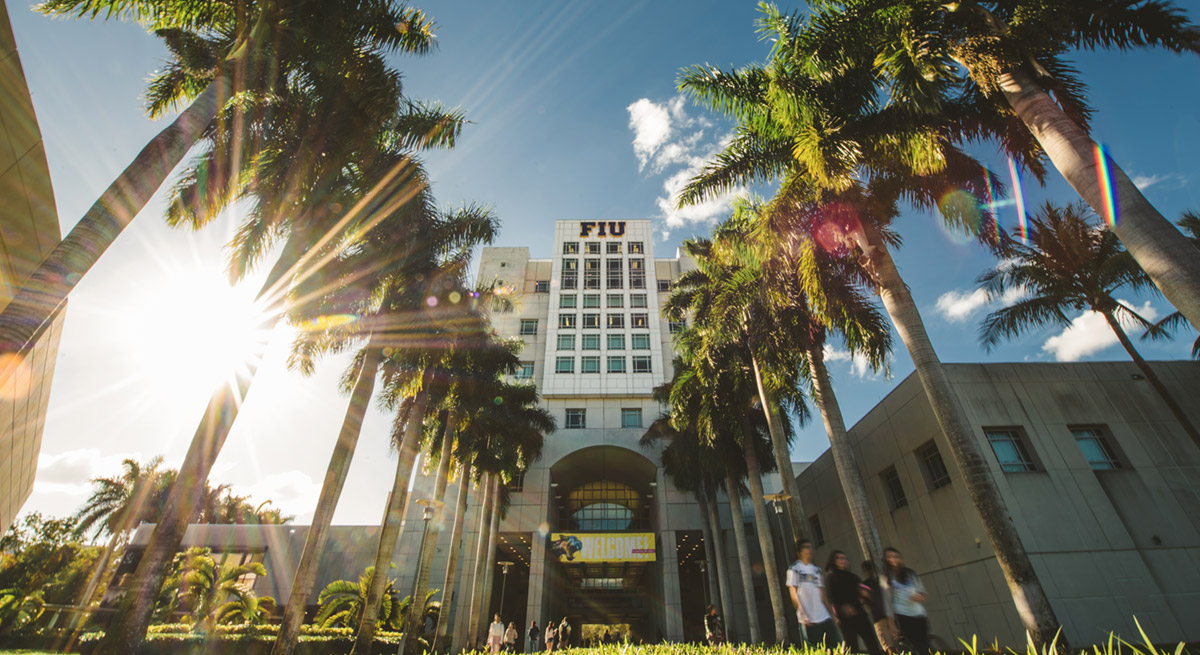
Urban College campuses make up about 68% of all American colleges, according to the APLU. These campuses are generically grouped together as being located within the boundaries of a large metropolitan area, such as Columbia University in Upper Manhattan, Florida International University in West Miami, and UCLA in Los Angeles. There are many examples of urban campuses across the country, and they come in many sizes and shapes. However, it is my personal opinion that these campuses are the best locations for any college in the 21st century, thanks to a combination of factors. Chief among these factors is the connectivity between campus and the wider outside world, thanks to the 21st century bringing about globalization between countries and peoples. Other factors include the Internship opportunities presented by a large city and the general feeling of the campus; which will be covered in this article.

The main building of Columbia University, located within Upper Manhattan, New York City. (Viator.com/TripAdvisor)
To begin, let’s look at the connectivity provided by Urban campuses to the outside world. Many large, urban college campuses are located close to office buildings, commercial centers, and residential neighborhoods. Within these buildings are often contained many organizations that benefit from having a large population of college students ready to intern for their organizations, such as internships for large newspapers, corporations, or law firms, internships provided to their respective students. In addition, these schools are located within often short walking or biking distance from major commercial/retail stores and off-campus residential towers. Along with these benefits is my (as often documented) love of public transportation and walkable neighborhoods.
Having a large college campus in any area often brings with it encouragement for the local area to develop to become more pedestrian friendly. This is because many college students who move across the country (or internationally) to said campus often don’t bring a car with them, so they’re forced to rely on walking or biking and public transportation to go between classes and to the grocery store. This means that many areas which are the location for college campuses are much more pedestrian friendly than the rest of the region it inhabits.

A street near the University of Toronto. (Augustine Wong/THE VARSITY)
A great example of this pedestrianization would be Tamiami and Fontainebleau in Miami, which is the location of FIU’s main campus, Modesto Maidique Campus. MMC is the location of a majority of FIU’s classrooms, schools, and colleges. It has a large nature trail, a large pedestrian mall (called “The Breezeway”) and other pedestrian amenities. Recently, the City of Miami also passed an ordinance to investigate a proposed expansion to the city bike lane network, which in its current state is very disjointed and dangerous for users of the network.
Another major advantage for both the local community and the students of the university is the job growth and outside connectivity provided by the university. The addition of a university to the local region brings with it massive job opportunities for the locals, as the university needs hundreds of staff like janitors, teachers, office workers, etc to function fully, and it also provides openings in advanced scientific and economic fields to be filled by local residents. These jobs also provide another opportunity for the locals; outside connectivity. Students from across the globe come to America to attend its universities, which are some of (if not the) best in the world, bringing hundreds to thousands of international students to communities large and small.
 The Snapper