
Written by Shane Miller
“Gonzo” Journalism, a term that often confuses or befuddles many people. The concept of a Gonzo journalist has been around since the 1970s, during the beginning of the New Journalism movement. Championed by famous figures like Hunter S. Thompson and popularized with the film Fear and Loathing in Las Vegas, being a Gonzo journalist is being a character in your own story. It is a raw interpretation of events during the “story” you create, using raw transcripts or audio files to create something that has little to no modification from the original source material, aside from the inclusion of the writer as a character or protagonist in the story. While this form of journalism is often rare, it has become more popular over time ever since its height in the late 1900s. Today, a few news sites write in the Gonzo style, with the most popular being Gonzo Today. This short article will be an overview of the origins of Gonzo and a study on what a “Gonzo” Journalist even is.
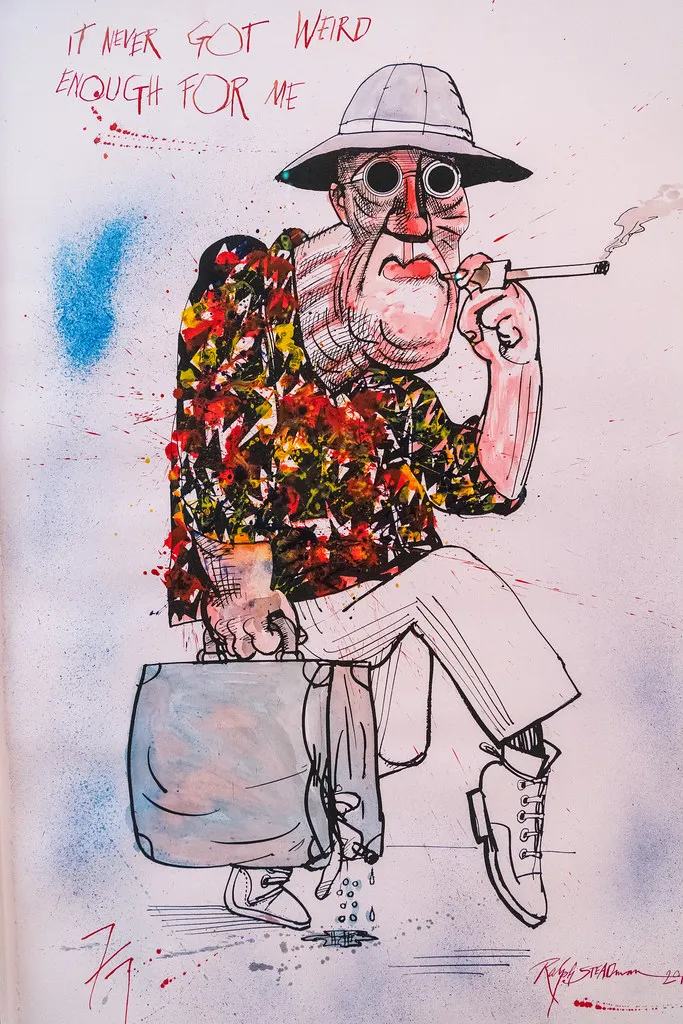
Caricature of Hunter S. Thompson, created by Don Sniegowski. (Creative Commons)
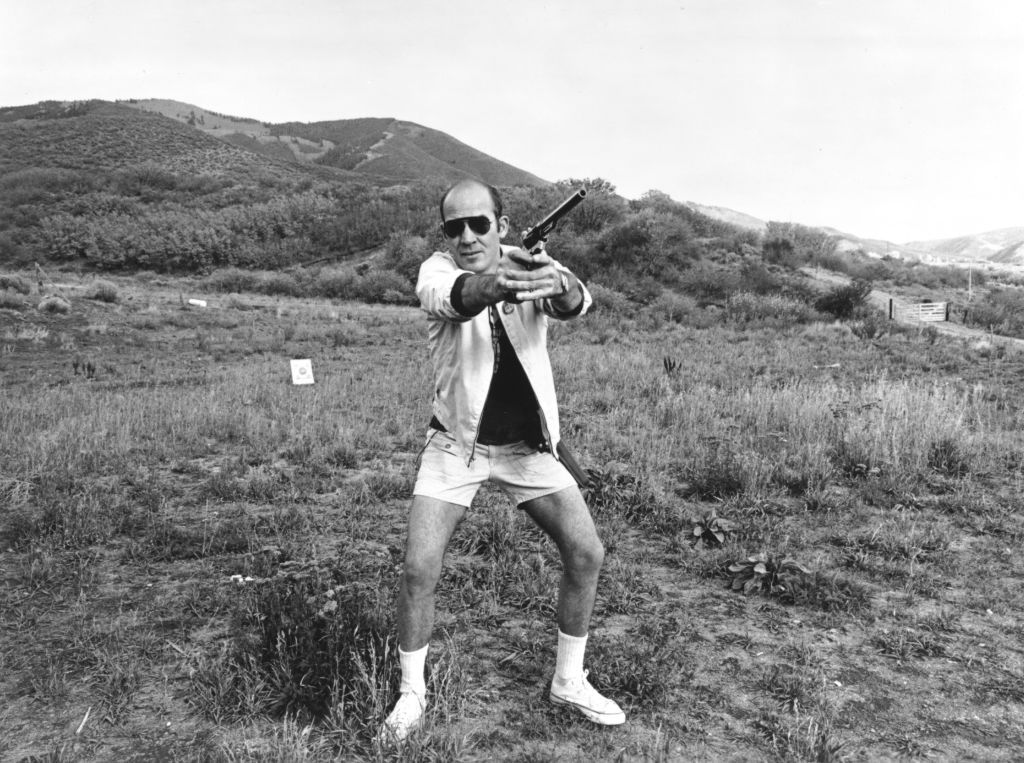
Gonzo Journalism has its roots in the 1970s counterculture movements. From Vietnam protestors to writers and figures like Chicano activist Oscar Acosta Fierro, Gonzo has always been pervasive in counterculture. Infact, one of the most famous works of “Gonzo” literature, Fear and Loathing in Las Vegas; A Savage Journey to the Heart of the American Dream, was produced in 1971. In the story, a man and his lawyer, both chasing the “American Dream” in Las Vegas, end up going through a drug induced haze while chasing the dream, and end up going through a chaotic and personal misadventure. As written earlier in this analysis, Gonzo Journalists include themselves as part of their stories. Fear and Loathing is no different, with the Protagonist (Raoul Duke) being a clear stand in for author Hunter S. Thompson. His lawyer sidekick, one Dr. Gonzo (for whom many believe the journalism style named after), is also a clear stand-in for Oscar A. Fierro. The book demonstrates many of the bases of the Gonzo writing style, while also having some interesting outliers in comparison to modern Gonzo literature, paving the way for many future novels and stories to be written by aspiring writers across the world.

Writer Hunter S. Thompson, pictured sitting behind his typewriter in his Aspen, Colorado Ranch. (Michael Ochs Archive/Getty Images)
So, what is a Gonzo writer? A Gonzo writer has to be someone willing to step into the unknown and strange, and especially tolerant to the insane. Gonzo stories are often wild, bombastic tales about an adventure through a city or a country, all while having a sort of ‘haze’ over the Protagonist. In reality, the Protagonist is you-not you, the reader, but you, the writer. It is a story that you tell, with how you remember events, but with the inclusion of next to no modification of transcripts or raw audio. While Gonzo journalism has declined in popularity over the years, it still has a large historical footprint as an important aspect of American culture from the 1970’s and 90’s.
Edit; 10/13, removed Gonzo Fist and replaced with Hunter S. Thompson behind Typewriter image.
 The Snapper