
By: Jackson Way
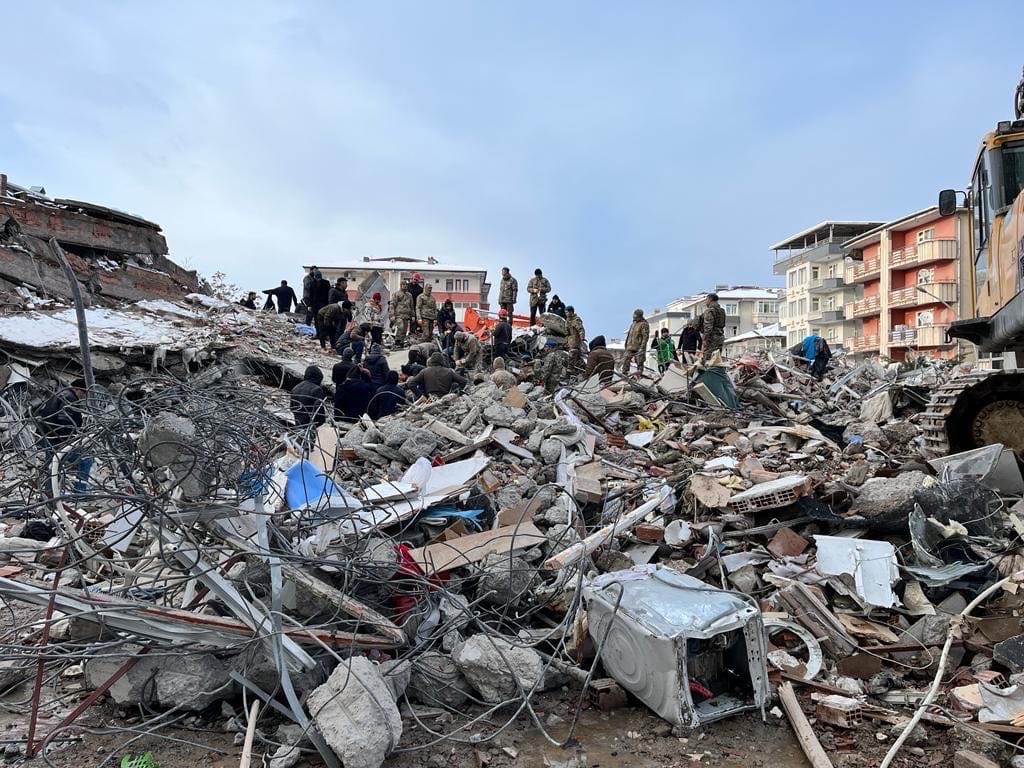
Recently, both Turkey and Syria experienced a series of earthquakes that had devastating effects. It was very harsh on both countries.
The initial earthquake, which occurred on February 6, 2023, it had a magnitude of 7.8. Its epicenter was in the Defne district of Turkey’s Hatay province and parts of Syria. This earthquake resulted in a tragic loss of life, with tens of thousands of people losing their lives and hundreds of thousands being left homeless.
Adding to the tragedy, another earthquake struck the same region with a magnitude of 6.4. This new earthquake compounded the trauma and destruction that the survivors were already dealing with from the previous quake.
The impact of these earthquakes goes beyond just physical damage. Many survivors are experiencing significant psychological distress. Anxiety and PTSD are common reactions, triggering even after small aftershocks.
Turkey’s disaster agency and medical volunteers are aiding those affected by the earthquakes. They are offering medical care and shelter to help survivors cope with the aftermath of the earthquakes.
Displacement is a significant issue in the region. Many people have lost their homes and are now living in tents. The challenging winter weather exacerbates their difficulties, making it even more challenging for them to recover and rebuild.
In addition to the direct impact on people, earthquakes can have far-reaching effects. The United Nations World Food Program, for example, reported that the earthquakes disrupted their operations and affected their employees distributing food in the area. In conclusion, the recent earthquakes in Turkey and Syria have highlighted the destructive power of nature. The physical and emotional toll on survivors underscores the need for effective responses and support systems in the aftermath of such disasters. I give my condolences to all the people who lost something in the earthquakes.
 The Snapper